

Picture a customer who spends about $40 with you and comes back roughly once a month. Nothing remarkable. A regular.
Run the math on that one person. Forty dollars a month is around $500 a year. Stick around five years, and that's about $2,500. From one customer, doing nothing fancy, just coming back.
Now here's the part worth sitting with. Most owners treat that person like a single $40 sale. They serve them, they ring them up, and they move on to the next stranger walking through the door. The $2,500 customer gets the same attention as the $40 one, because in the moment, they look identical.
(Those numbers are just an example, by the way. Round figures to make the point. Your real average might be higher or lower. But the shape of it holds for almost every small business.)
So the question is why almost all the marketing energy in a small business goes toward finding the next new face, when the most valuable people are the ones already on the books.
TL;DR: A repeat customer is worth far more than the single sale in front of you, often thousands over a few years when you run simple lifetime-value math. Keeping a customer you already have generally costs less than winning a brand-new one, and repeat customers often spend more and send friends your way. You don't need an app to build loyalty. You need three things: a list, a reason to come back, and a nudge. Build the list from your booking system or receipts, sort it into active, quiet, and cold, pick one simple reason to return (a punch card, early access, or a surprise upgrade), send a short warm message to your quiet list once a quarter, and put it on a fixed schedule so it actually happens.
What a Repeat Customer Is Actually Worth
Let's stay with the math for a second, because it's the whole argument.
A first-time customer is a single transaction until proven otherwise. A repeat customer is money that keeps showing up. They come back without an ad reminding them you exist. They don't need a discount to walk in the first time, because they're already in. And here's what we've seen over and over: they often spend a bit more per visit too, because they trust you and they know what they want.
Take that illustrative regular again. $40 a month, $500 a year, $2,500 over five years. Now imagine you've got fifty of them. That's not fifty $40 sales. That's a six-figure block of revenue that shows up year after year, quietly, while you're busy chasing the next stranger.
And that's before the part that compounds.
Repeat Customers Bring You More Customers
Repeat customers don't just buy more. They tell more people.
Think about who actually sends friends your way. It's rarely the person who visited once. It's the regular, the one who's been coming to you for two years. And the friends they send tend to be great customers, because they arrive already trusting you. A recommendation from someone they know does the convincing before they ever show up.
So the value of a repeat customer isn't just their own spending. It's their spending plus the friends they send you over the years. Lose them, and you don't just lose their next visit. You lose everyone they would have sent you down the line.
That's why retention is such a good deal. Keeping a customer you already have generally costs less time and money than winning a brand-new one. The repeat customer already knows you, already trusts you, and already does some of your marketing for you. The stranger needs an ad, a reason, and a leap of faith before they spend a dollar.
The Leak Nobody Sits Down to Look At
Here's the thing almost no owner actually works out. Every business has a leak.
Customers who came in once, had a perfectly fine time, and just never came back. Not because anything went wrong. Life got busy. They tried somewhere else. They forgot you existed for a few months, and then it felt a bit awkward to return.
If you run a service business, you can usually see this clearly in your booking system. Pull up the customers from this time last year. Some are still around. Plenty aren't. And the ones who aren't, in most cases, didn't leave over a problem. They drifted.
Drifted customers are usually the easiest people to win back. They're not strangers. They already know what you do, where you are, and how it works. They just need a small nudge. And almost no small business sends one, for two reasons. There's no system for it, so it never becomes anyone's job. And owners worry about being annoying. But there's a long way between spamming someone and sending one thoughtful "we haven't seen you in a while" message every few months. The first irritates. The second usually gets a "oh, I've been meaning to come back."
One-Off Sale Thinking vs. Building for the Second Visit
The whole shift here is mental, and it shows up in how you treat the person at the counter. Read across the rows and you'll spot which side you're running your business from:
You can usually tell which column you're in with one question. When was the last time you reached out to a customer who hadn't been in for a few months, on purpose, with something warm and not salesy?
How to Build Loyalty Without an App
Here's the good news. You do not need an app, a developer, or a monthly fee to do this. The friction of asking customers to download something is almost always higher than the lift you get from it. For most small businesses, a spreadsheet and a personal message will do more than an app ever will.
The whole thing comes down to three pieces: a list, a reason to come back, and a nudge. Below is how to put them together, in five steps. (Source material had a couple of extra moving parts, but it compresses cleanly into these five.)
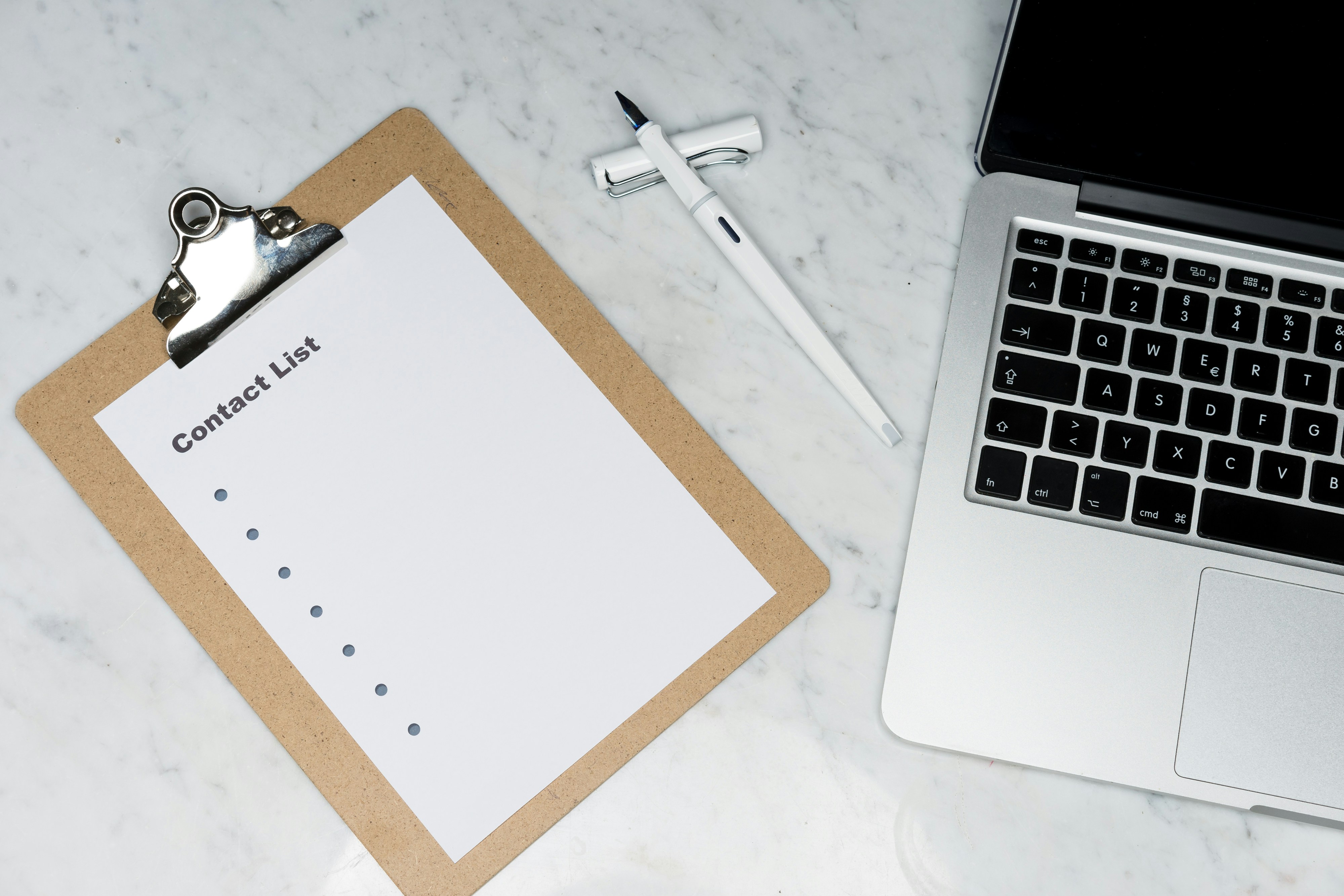
Step 1: Build the list
You can't bring back a customer you can't reach. Sounds obvious, but plenty of small businesses don't really have a list at all, beyond a rough memory of who's been in.
The list you need is just a spreadsheet, a notes app, or a Google Sheet. First name. Phone or email. Last visit. What they bought. That's it. If you've got a booking system, it's probably already there, so pull it out. If you've got a card machine, the receipts give you contact details for anyone who paid by card and consented. If you're a coffee shop or a takeout spot, run a small "join the list for an offer" promo for two weeks and watch how quickly the names add up. You're not building a CRM. You're building a list of people who already know you.
Step 2: Sort the list
Once you've got it, take twenty minutes to sort it into three rough buckets.
Active: anyone who's bought in the last three months. Your regulars. Quiet: anyone who bought between three and twelve months ago. This is the most valuable group, because they're the most winnable. Cold: anyone who hasn't bought in over a year. Worth one careful try, but harder to bring back. Each group gets a slightly different message later, and the quiet bucket is where most of your easy wins live.
Step 3: Pick a reason to come back
Loyalty doesn't need to be a points system. It just needs a reason that feels generous without breaking your math. Three patterns work for most small businesses, and you only need one.
The simple punch card. Buy nine coffees, get the tenth on us. It costs you almost nothing on the marginal item and gives the customer a clear reason to choose you over the place across the street.
The early access. Regulars get the new menu, the new product line, or the holiday booking before anyone else. Costs you nothing. Feels like a thank-you. People love being on the inside.
The surprise upgrade. They didn't ask for it. The size goes up. The dessert's on the house. The booking gets the corner table. A tiny cost that makes someone's whole day, and the kind of thing they tell their friends about.
Pick the one that fits your business and your margins. Don't try to run all three.
Step 4: Send the nudge
Once a quarter, send a short, warm message to your quiet list. Not a campaign. Not a sale. A nudge. Something like:
"Hi Sarah, realized it's been a few months since you were last in. Hope all's well. We've got [thing] on at the moment if you want to swing by, and there's always a coffee on us if you do."
That's the whole thing. Send it to your quiet list and, in our experience, a decent handful will come back within a couple of weeks. The math tends to work out even if you give every one of them a free coffee, because some of those returns turn back into regulars.
Step 5: Put it on a schedule
The reason most owners never do this isn't that it's hard. It's that there's no specific moment it happens, so it never does.
Block the same morning every quarter. First Monday in March, June, September, and December. Two hours. Pull the quiet list, send the nudges, done. If you've got a team, give one person the job. The owner doesn't have to be the one sending the messages, it just has to be somebody's responsibility on a date that actually exists.
A Few Traps to Avoid
Don't make the loyalty program complicated. Customers don't read terms and conditions. The simpler the offer, the higher the take-up. For most small businesses, a punch card beats a tiered points scheme.
Don't turn loyalty into a price war. The point isn't "we're cheaper." The point is "we noticed you, and we appreciate you." Racing to the bottom on price trains customers to wait for the next discount instead of valuing the relationship.
Don't bother with a points app for most small businesses. The friction of asking someone to download an app is usually higher than the lift you'll get. A spreadsheet and a personal text will serve most small businesses better.
Don't let the nudge become spam. Once a quarter, warm and personal, beats a weekly blast every time. The whole appeal of the check-in is that it feels like a person noticed, not a system firing off another email.
Where Mighty Fits In
The same instinct that makes loyalty work, being deliberate with what's already in front of you, applies to what your business spends. That's where Mighty comes in.
Mighty connects 150,000+ small businesses with exclusive deals and tools from a network of trusted B2B partners, including Amazon Business, across every category your business actually spends in. Members have saved over $45M between them so far. And every member gets an Authorized Mighty Rep who comes to your business in person to help you set everything up. You can learn more about how Mighty works whenever you're ready.
So have a look at your own customer list tonight. Your booking system, your receipts, your inbox, wherever the names live. The people you haven't seen in a few months are probably the most valuable bit of growth sitting right under your nose, and they're a lot cheaper to win back than the next stranger you'd pay an ad to reach.
Then keep it simple. Build the list. Pick one reason to come back. Block a morning each quarter and send the nudge. That's the entire system, and it starts paying for itself quickly. If you want the same boring, repeatable logic applied to your discounts, our discount strategy guide walks through how to use offers to bring customers back without losing margin.
The customers you've already won are your next round of growth. If you'd like the cost side of your business handled with the same care while you build the demand side, Talk to a Mighty Rep and we'll come show you how it works in person.